How We Actually Build Investment Communities That Work
Building something meaningful takes more than just matching investors with opportunities. Over the past seven years working with investment groups across Alberta, we've developed an approach that prioritizes real connections and sustainable growth over quick wins.
Our methods didn't come from a textbook. They evolved from watching what worked in Calgary's tight-knit investment community and what didn't. We've made mistakes, learned from them, and built something we're genuinely proud of.
The Foundation We Started With
Back in early 2018, we noticed something odd. Most investment platforms were either too rigid—forcing everyone into the same box—or too loose, leaving members confused about expectations.
So we went a different direction. We built our methodology around adaptive community structures that respond to how people actually interact, not how we think they should.
This means different things for different groups. A real estate syndicate in Calgary operates differently than a tech investment circle in Vancouver. Our framework acknowledges that instead of fighting it.

Three Core Principles That Guide Everything
Transparency First
Every investment community we work with gets complete visibility into our processes. No hidden algorithms deciding who sees what. Members know exactly how opportunities reach them and why certain matches happen.
Community Autonomy
We provide structure, but communities set their own rules. Vetting processes, communication standards, decision timelines—these should reflect your group's values, not ours. We're here to support, not dictate.
Continuous Evolution
What worked in March 2024 might not fit in February 2026. We review our methods quarterly with input from active communities. When something stops serving its purpose, we change it.
Our Engagement Process
This is how we typically work with new investment communities. Sometimes steps overlap, sometimes we skip ahead—it depends on where you're starting from.
Initial Discovery
We spend time understanding your community's current dynamics. Who's involved? What's working? Where are the friction points? This usually takes two to three weeks of conversations with key members.
Framework Customization
Based on what we learned, we adapt our core methodology to fit your situation. This includes communication protocols, vetting standards, and decision-making structures that respect your existing culture.
Gradual Implementation
We roll things out slowly. Start with one or two changes, see how they land, adjust if needed. Rushing this phase has never ended well in our experience. Most communities need three to four months to find their rhythm.
Ongoing Refinement
We check in regularly—monthly at first, then quarterly once things stabilize. Communities change, members come and go, market conditions shift. Our methods need to adapt alongside those realities.
What Makes Our Approach Different
Most platforms treat investment communities like software problems—optimize the algorithm, increase engagement metrics, scale quickly. But communities are messy. They're built on trust, which takes time and can't be automated.
We focus on creating conditions where trust can develop naturally. That means smaller initial groups, slower growth, and sometimes saying no to opportunities that don't fit.
It's not the fastest path, but it's the one that leads to communities people actually want to stay in.
Real Example from 2025
We worked with a renewable energy investment group in Calgary that was struggling with member retention. Instead of adding features, we simplified their structure and introduced clearer communication guidelines. Within six months, they saw member satisfaction improve significantly—not because we added more, but because we removed confusion.
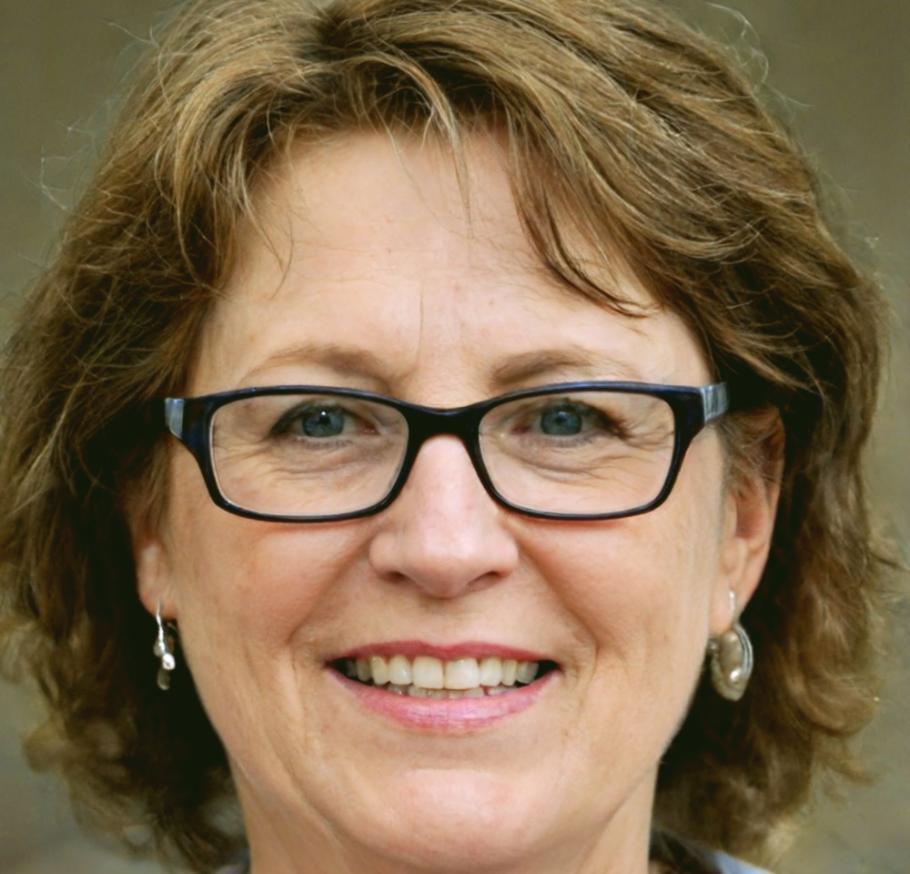
Ainsley Thornton
Community Strategy LeadSpent eight years building investor networks before joining Oyralex. She believes the best communities form around shared values, not just shared interests.
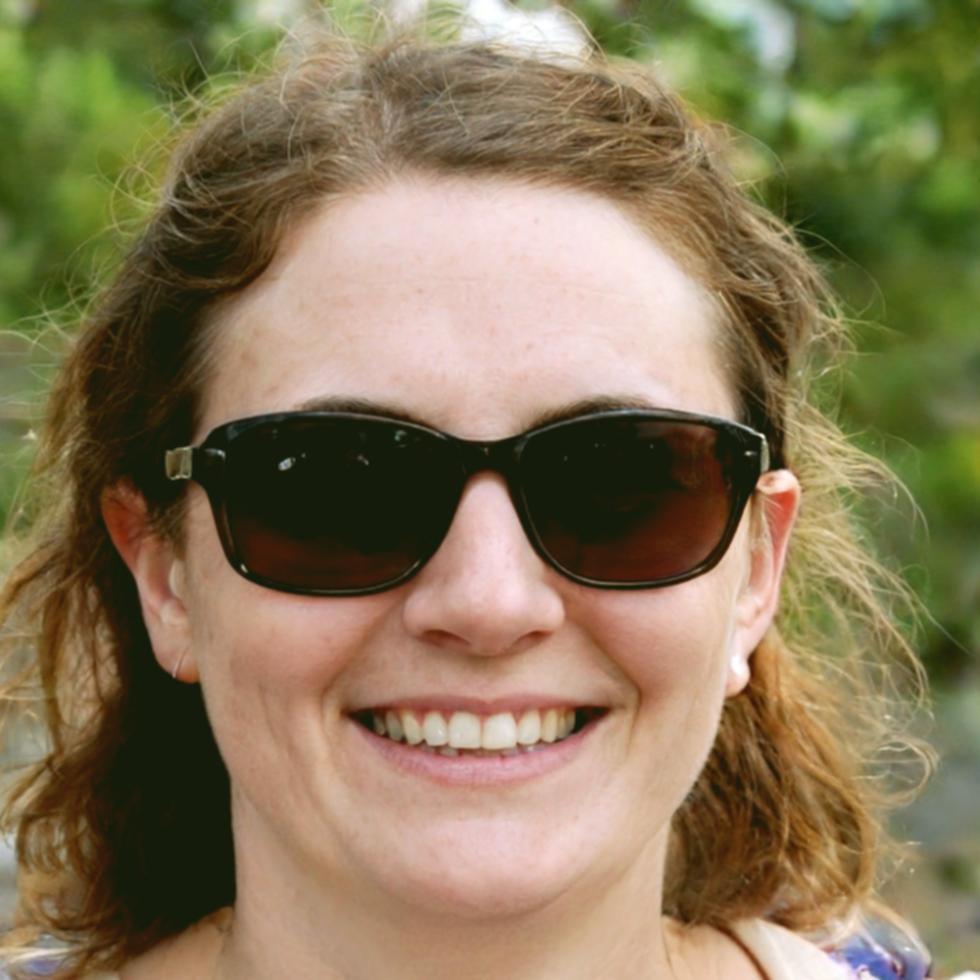
Lena Birkedal
Implementation SpecialistWorks directly with communities during the transition phase. Her background in organizational psychology helps groups navigate change without losing their identity.